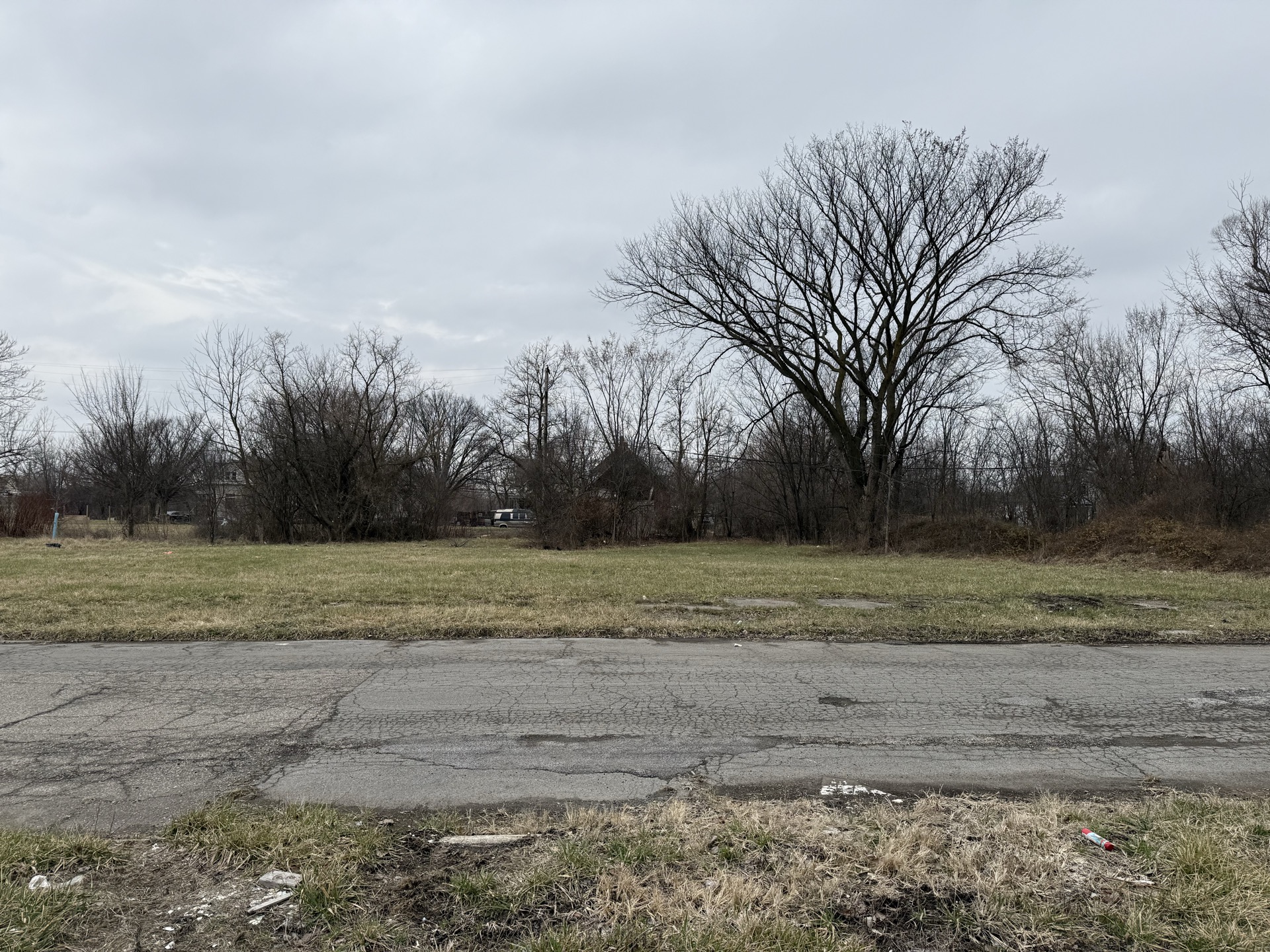
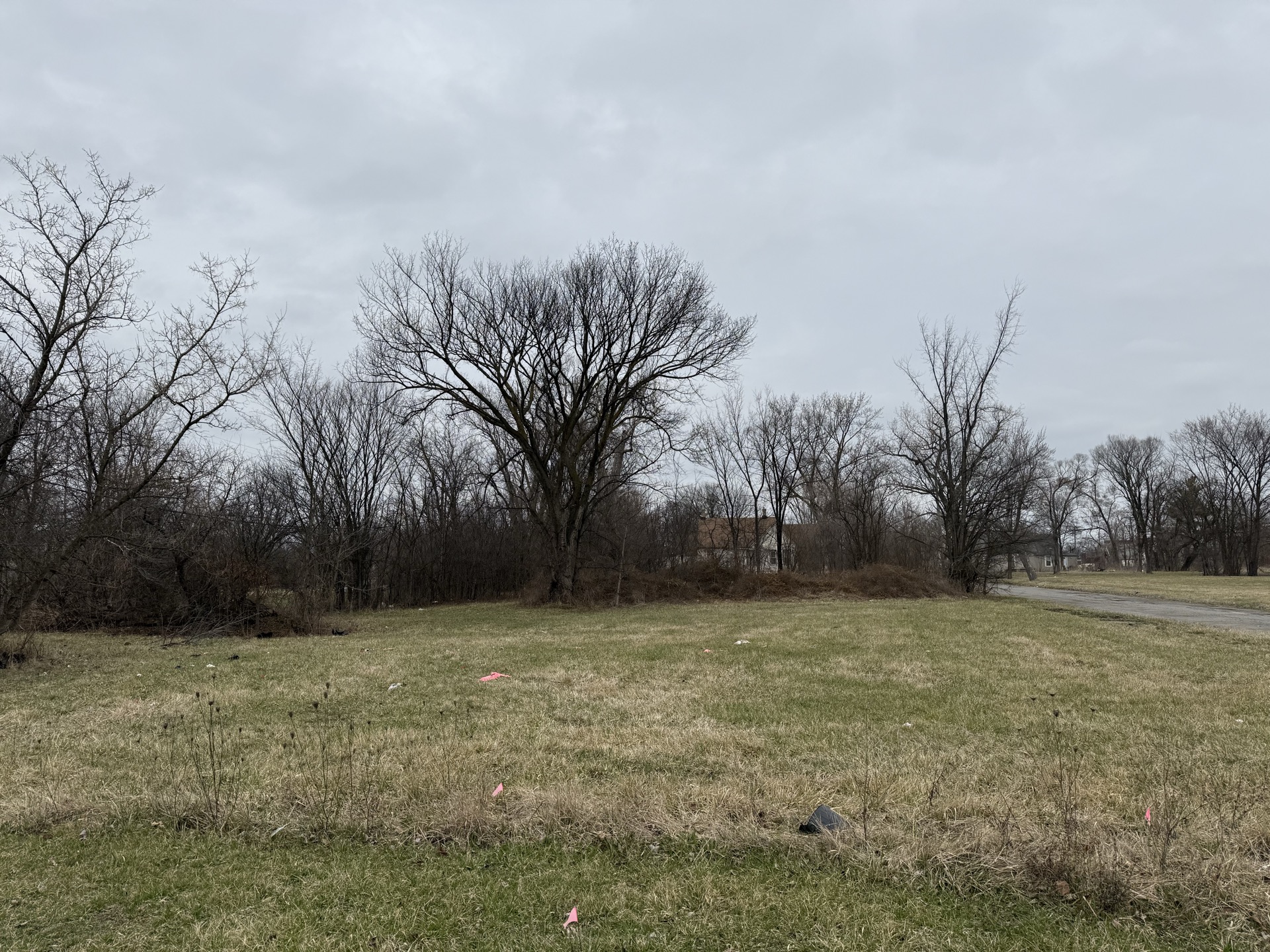
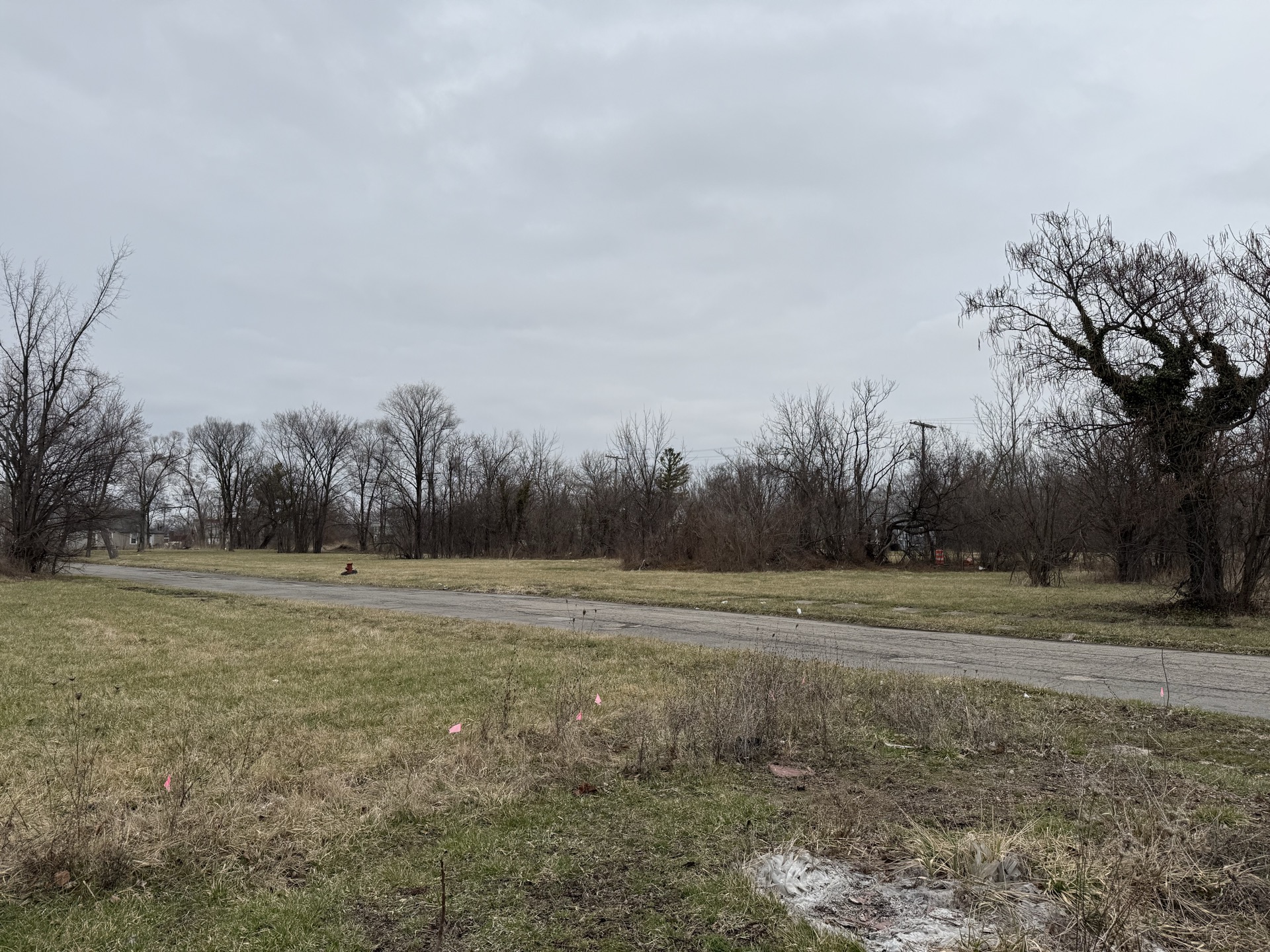
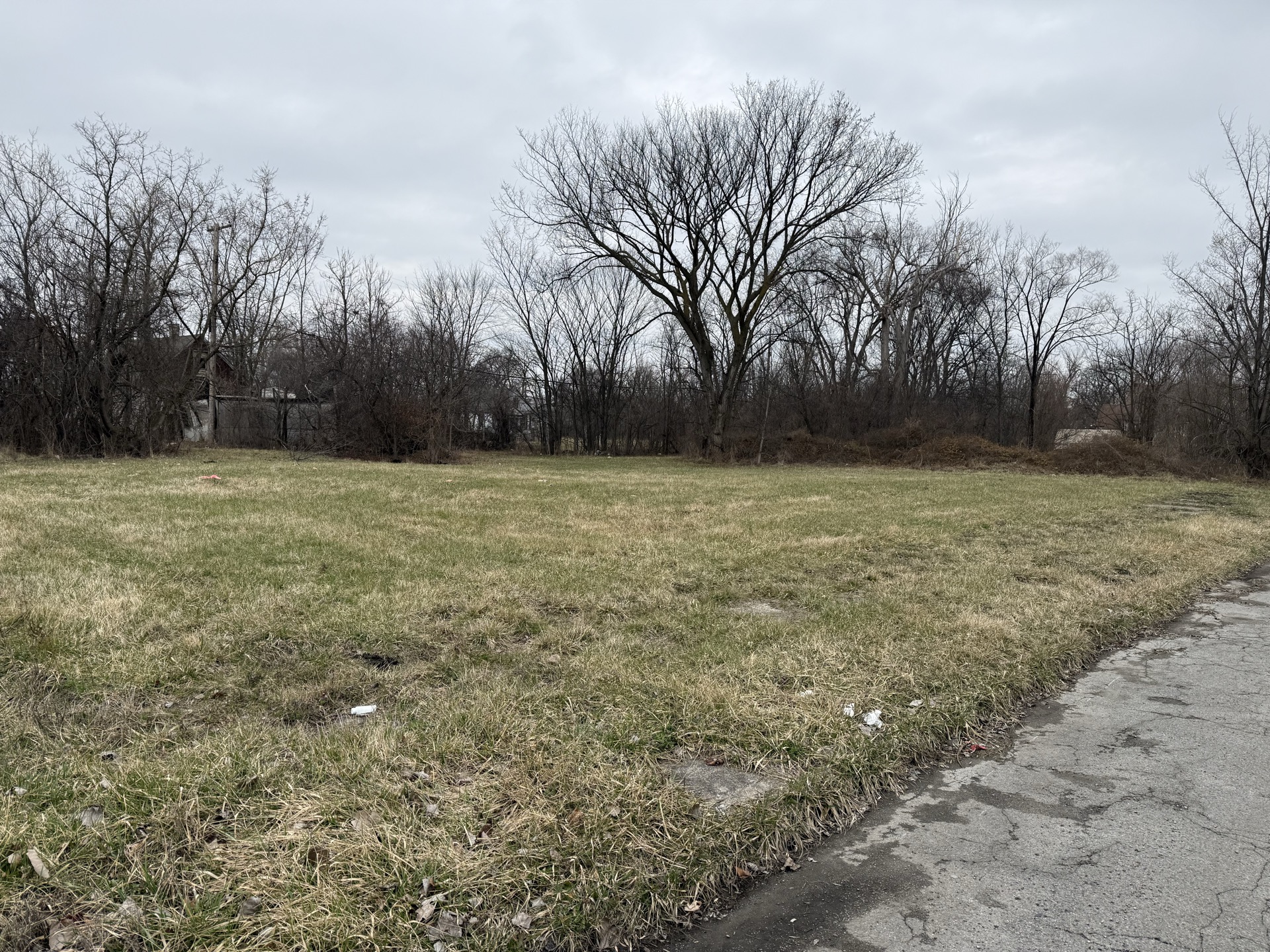
V2: Collectively Owned, Agentically Managed
Dryad v1 proves an AI agent can autonomously manage land. V2 asks: what if the land itself was collectively owned onchain — with tokenized property deeds, DAO governance, and no single point of failure? We're building on two models: Autonomous Forest's hybrid legal-DAO framework and a forkable PropertyDeedNFT contract for Base — while learning from RealT's failures in Detroit.
Layer 1: Legal Entity (LLC)
Michigan LLC holds legal title to the land (filed with Wayne County Register of Deeds). Operating agreement encodes that the DAO governs land use decisions. Modeled on Autonomous Forest's Verein structure — legal entity is bound to carry out DAO resolutions. Dissolving the LLC transfers assets to a conservation land trust (failsafe).
Layer 2: Tokenized Property Deeds
Fork of PropertyDeedNFT.sol — ERC721 with ISSUER/NOTARY/ADMIN roles and regulated transfer mode. Each lot = 1 NFT minted by the LLC. Onchain: parcel ID hash + recorded deed hash. Already tested on Base Sepolia. Geohash subdivision possible (~30 grid cells per lot).
Layer 3: DAO Governance
NFT holders stake deed tokens to gain voting rights (staked = non-transferable, like Autonomous Forest). Community Council votes on planting plans, contractor selection, treasury allocation, new acquisitions. Voting on Snapshot (dryadforest.eth). DAO governs WHAT to do. Agent governs HOW.
Layer 4: Autonomous Agent (Dryad)
Already built. Monitors biodiversity, hires contractors, verifies work, pays in USDC, records milestones onchain. Self-funded from stETH yield — no dependency on token sales. Reports to the DAO via onchain milestones and treasury alerts.
The RealT Lesson
RealT tokenized ~1,000 Detroit properties and promised 10% returns to overseas investors. Today they owe Detroit $2M+ in unpaid taxes, face foreclosure on 200+ properties, and have accumulated 1,000+ blight tickets. The City of Detroit has sued them.
Tokenization without operational accountability is worse than no tokenization at all.
Dryad is the opposite model. The agent pays property taxes autonomously from DeFi yield. It maintains the land by hiring contractors and verifying their work. Every action is recorded onchain on DryadMilestones.sol. The DAO provides collective governance. The agent provides operational accountability. Neither exists without the other.
Future Roadmap
| Phase | What |
|---|
| 1 | Fork PropertyDeedNFT.sol to Base mainnet. Mint 9 deed NFTs. Regulated mode ON (notary = LLC admin). |
| 2 | Deploy Snapshot space (dryadforest.eth). Staking mechanism for deed NFTs. First community vote on planting plan. |
| 3 | LLC acquires additional DLBA lots ($250/lot). Mint new deed NFTs. Geohash grid subdivision for stewardship tokens. |
| 4 | Publish replicable toolkit: LLC template + PropertyDeedNFT fork + Dryad agent config. Other cities fork for their own programs. |
| 5 | Inter-agent DAO: multiple Dryad agents across cities, governed by local DAOs, sharing contractor networks and ecological data. |
Community Stewardship Airdrop
The forest doesn't belong to investors. It belongs to the community that surrounds it.
Dryad V2 introduces a stewardship airdrop — free shares of lot governance distributed to neighbors and active community members. No purchase required. If you live near the land, you have a voice in how it's managed.
Proximity Airdrop — Neighbors First
Residents within 500 feet of any Dryad lot get a free stewardship NFT. Mirrors the DLBA Side Lot program which already prioritizes adjacent homeowners. The city defines "neighbor" at this same radius.
Participation Airdrop — Stewards Earn Shares
10+ verified iNaturalist observations → 1 NFT. Volunteer work day → 1 NFT. Complete a contractor job → 1 NFT. Block club endorsement → NFTs for all members. Proof-of-stewardship, not proof-of-capital.
Soulbound by Default
Stewardship NFTs are non-transferable unless the DAO votes to unlock. Prevents speculation, absentee ownership, and the RealT failure mode. If someone moves, the NFT can be reclaimed by DAO vote and re-airdropped to the new resident.
Equal Governance
1 NFT = 1 vote. No whale dynamics. Simple majority for routine maintenance, 75% supermajority for land use changes (matching Autonomous Forest thresholds). The agent executes community decisions. The community decides based on agent-provided data.
Why this matters: Most crypto land projects sell tokens to fund acquisition. Dryad gives them away to the people who actually live there. This isn't DeFi extracting value from Detroit — it's DeFi returning ownership to Detroit's communities. The agent handles the complexity. The neighbors make the decisions. The land heals.
Legal Note
U.S. property law does not yet recognize NFTs as legal title. Dryad uses a "dual ledger" model: the LLC holds legal title (county records), the NFT represents a membership interest in the LLC (similar to RealT's series LLC but with operational accountability), and the DAO governs via the operating agreement. Over time, as states adopt blockchain-friendly title legislation, the onchain record becomes authoritative. Sources: Oxford Law Blog, Minnesota Journal of Law, SSRN.